Are Professional Poison Ivy Control Services Worth It in Delaware Valley?
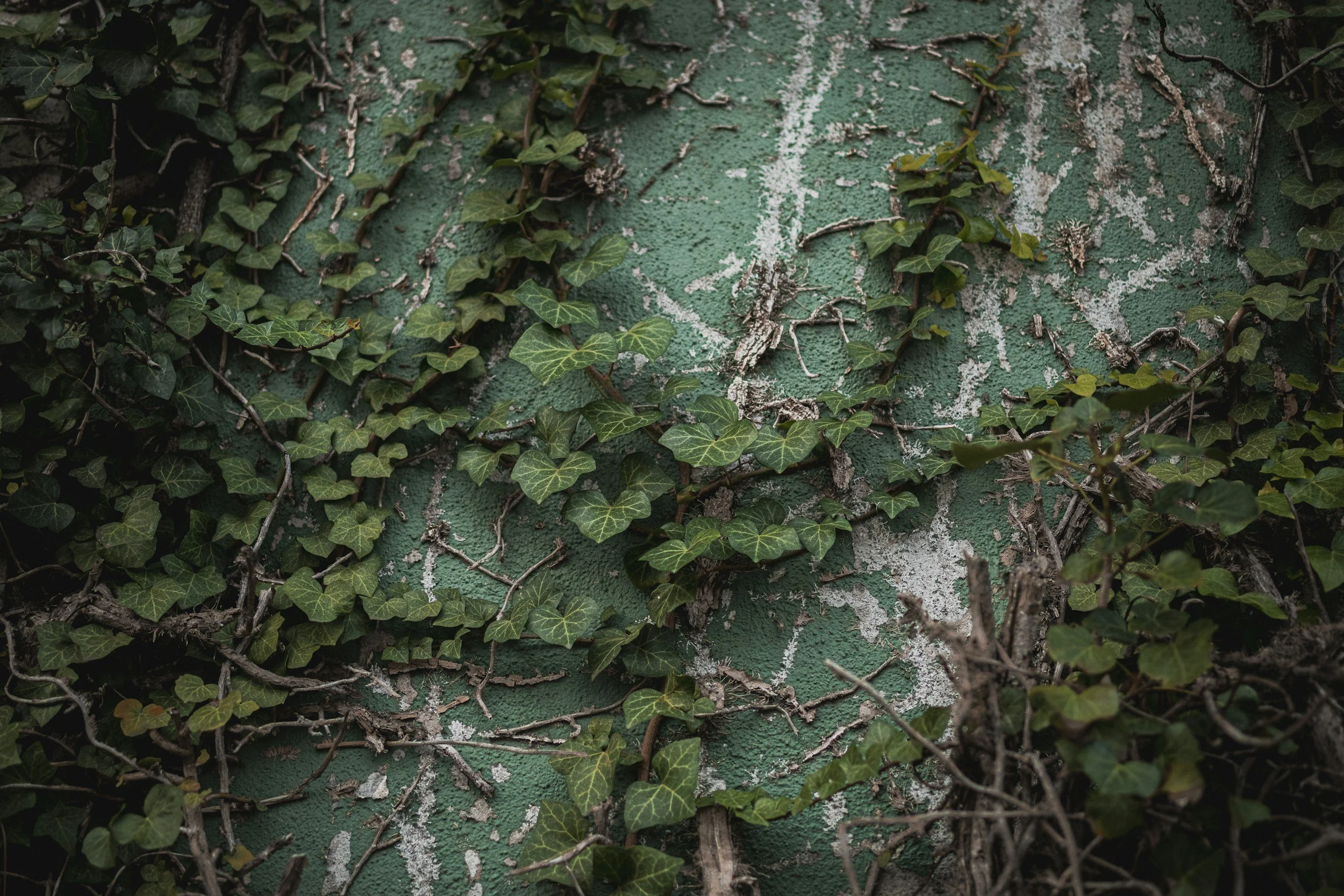
Spend a summer in the Delaware Valley and you will quickly understand why poison ivy frustrates so many homeowners. It grows along fence lines, through garden beds, up tree trunks, and across the back edges of properties where it tends to go unnoticed until someone brushes past it. By that point, the damage is already done. The question most people eventually reach is a fair one: is it worth paying a professional to handle this, or is it something you can manage on your own?
The honest answer depends on what you are actually dealing with, and how well you understand the plant's behavior.
Why Poison Ivy Is Not Like Other Yard Weeds
Most weeds are nuisances. Poison ivy is something different. The plant contains urushiol, an oily resin present in every part of the plant, including dead vines and roots that have been sitting in the soil for months. According to the Centers for Disease Control and Prevention (CDC.gov), exposure to an amount of urushiol smaller than a grain of salt causes a rash in 80 to 90 percent of adults. That is not a plant you want to pull out with a pair of gardening gloves and a positive attitude.
The CDC also notes that urushiol can stay active on tools, clothing, and surfaces for up to five years. So the gloves you used last August to yank out what you thought was a small patch? They could still cause a reaction the next time you put them on.
For anyone exploring poison ivy treatment for homeowners in Pennsylvania, that detail alone changes how you think about what "handling it yourself" actually means.
What DIY Removal Realistically Gets You
There is a place for DIY management, and it should not be dismissed entirely. A small, isolated plant in an accessible corner of the yard, caught early, is something a careful homeowner can address with the right protective gear, proper disposal, and a follow-up herbicide application to the root zone.
The challenge is that most situations in Delaware Valley yards are not that simple. Poison ivy here tends to show up in the same spots year after year because the root systems run deeper than a single season of pulling can reach. Birds spread the seeds from neighboring properties. Established vines climb into trees and shrubs where they become difficult to treat without also damaging surrounding plants. The more mature the growth, the harder a full DIY removal becomes.
And that regrowth cycle is where most homeowners lose patience and, often, lose the battle.
What a Professional Service Actually Does Differently
When people ask about poison ivy treatment for homeowners in Pennsylvania, the comparison usually comes down to cost versus risk. A professional crew brings the right protective equipment, the knowledge to identify the plant in all growth stages, and the technique to remove it root-deep without spreading the oil to surrounding areas.
They also handle disposal correctly, which matters more than most people realize. Burning poison ivy, even by accident in a yard debris pile, sends urushiol into the air in a form that can be inhaled. According to the FDA (fda.gov), this can cause serious respiratory reactions. Professionals bag and remove all plant material, including roots, without leaving contaminated debris behind.
For larger infestations, overgrown growth along fences or walls, or areas used regularly by children and pets, a professional approach is genuinely the more cost-effective path when you factor in the repeated seasonal effort and the real medical cost of a significant urushiol exposure.
The Delaware Valley Challenge Specifically
Properties across Philadelphia, Chester County, Montgomery County, and the surrounding region share a few common traits: mature trees, shared property boundaries, and the kind of humid summers that poison ivy thrives in. These conditions mean the plant spreads quickly and is rarely a one-season problem.
Poison ivy treatment for homeowners in Pennsylvania often starts as a single-afternoon project and turns into a multi-year frustration when the underlying root network is not addressed. Professionals who work in this region understand the local growth patterns and know where to look for secondary growth that a homeowner would likely miss.
So, Is It Worth It?
For a small, first-time patch in an open area: maybe not, if you are willing to be careful and thorough. For anything established, climbing, recurring, or near areas where kids and pets spend time: yes, genuinely.
The value of professional poison ivy treatment for homeowners in Pennsylvania is not just the immediate removal. It is the follow-up monitoring, the correct disposal, and the accountability that keeps the problem from coming back in six months. That peace of mind has a real dollar value when you weigh it against another summer of rashes and frustration.
Safe Acres provides professional poison ivy treatment for homeowners in Pennsylvania and across the Delaware Valley, with a practical approach built around permanent results.