Can You Treat Poison Ivy Yourself? Pennsylvania Homeowner Tips
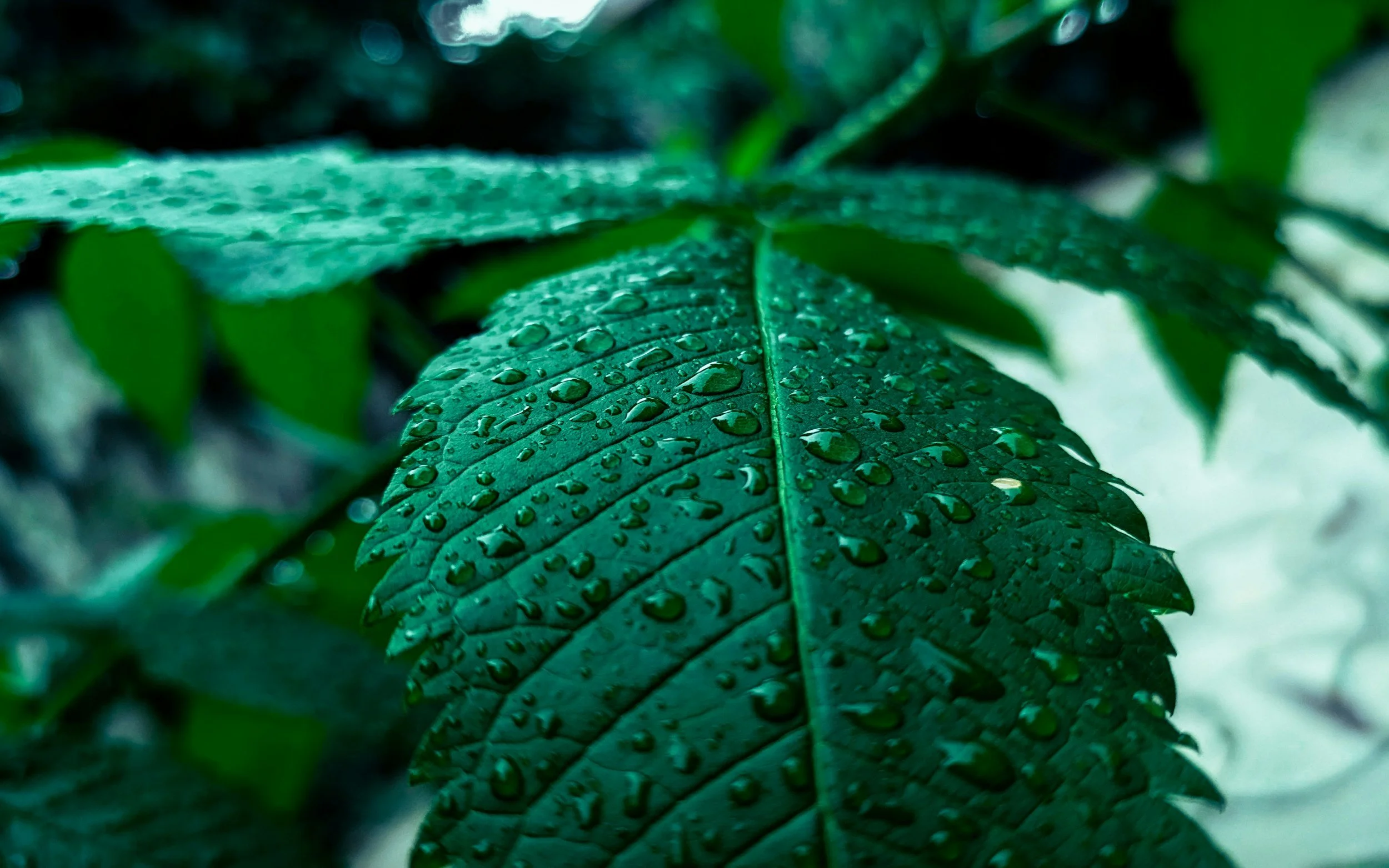
If you have spent any time in a Pennsylvania backyard, you already know that poison ivy is not a rare inconvenience. It climbs fences, creeps through garden beds, and hides along the edges of wooded lots, looking almost polite until it is not. That familiar phrase, "leaves of three, let it be," exists because the plant is genuinely that common, and genuinely that unpleasant to stumble into.
The question most homeowners ask after an encounter is a simple one: can I handle this myself, or do I need help from Professional Poison Ivy Removal in Southeast Pennsylvania? The answer depends on two separate problems: treating the rash on your skin, and dealing with the plant on your property. Both are worth understanding clearly.
What Actually Causes the Rash
Poison ivy contains an oily resin called urushiol, which is present in every part of the plant, from the roots to the berries. When urushiol contacts your skin, your immune system reacts, and that reaction is what produces the itching, redness, and blisters most people associate with a brush against the plant.
According to the U.S. Food and Drug Administration (FDA.gov), the rash, blisters, and itching typically resolve within a few weeks without treatment, though the discomfort in the meantime can be significant.
One thing worth knowing: the rash itself is not contagious. What spreads the problem is urushiol oil lingering on clothing, tools, pet fur, or skin that has not been thoroughly washed. If your rash seems to be spreading days after your original exposure, it is more likely that you encountered a second source of oil, not that the rash is traveling.
What You Can Do at Home
For a mild to moderate case, home care works reasonably well. The first step, if you suspect contact, is to wash the affected skin with cool water and mild soap as soon as possible. The sooner you do this, the better your chance of limiting the reaction. Cool water is recommended over hot, since heat opens pores and can allow the oil to penetrate more deeply.
From there, most people find relief through a combination of over-the-counter approaches. Calamine lotion and hydrocortisone cream both reduce itching effectively for mild cases. Colloidal oatmeal baths, which you can find at most pharmacies, help soothe irritated skin and have a long history of use for exactly this kind of contact dermatitis. Cool compresses applied to the rash provide short-term relief by numbing the skin and reducing inflammation. Oral antihistamines can help with itching as well, though they work better taken before bed since many cause drowsiness.
The most important instruction, and the hardest one to follow: do not scratch. Broken skin invites infection, and once a blister opens, recovery slows down. Keeping the area clean and lightly covered gives the skin its best chance to heal on its own.
When Home Care Is Not Enough
Some cases go beyond what calamine and patience can handle. If the rash covers a large area of your body, appears on your face, eyes, or near your mouth, or shows signs of infection such as pus or increasing warmth, a doctor visit is the right call. A physician can prescribe oral corticosteroids, which reduce the immune response more effectively than anything available over the counter. The Mayo Clinic also notes that if the rash does not begin improving after seven to ten days of home care, it is time to see someone.
Breathing difficulty after contact with poison ivy is a medical emergency. Burning the plant, which some homeowners attempt during yard cleanup, sends urushiol into the air in a form that can be inhaled, and the results can be serious.
The Bigger Problem: The Plant Itself
Treating the rash is one thing. Getting the plant off your property by Professional Poison Ivy Removal in Southeast Pennsylvania is another matter entirely, and this is where many Pennsylvania homeowners run into trouble.
Pulling poison ivy by hand, even with gloves, carries real risk. Urushiol transfers easily, and the oil can remain active on surfaces, including clothing, garden tools, and gloves, for a surprisingly long time. Improper removal also tends to leave roots behind, which means the plant comes back the following season.
For a small patch in an easily accessible spot, a cautious DIY effort with proper protective gear can work. For anything larger, harder to reach, or growing near structures, the risk-to-reward calculation shifts quickly.
This is where professional poison ivy removal in Southeast Pennsylvania makes practical sense. A trained crew knows how to identify the plant across all seasons and growth stages, remove it down to the root system, and dispose of it without exposing themselves or your yard to the residual oil. They also carry the equipment to work safely in dense or climbing growth that a homeowner would struggle to approach without skin contact.
If your property has recurring growth, extensive coverage along a fence or tree line, or areas that small children or pets use regularly, professional removal is not an overreaction. It is a reasonable, cost-effective choice that protects the whole household.
Taking the Long View
Poison ivy in Pennsylvania is not going away on its own. It is well suited to the climate, spreads readily, and regrows from root fragments if removal is incomplete. Managing it well means being realistic about what a tube of calamine can accomplish versus what a property-level solution actually requires.
For the rash: treat it at home when it is mild, see a doctor when it is not, and avoid anything that could worsen the irritation in the meantime. For the plant: assess the scale honestly, and if the situation on your property has grown beyond a manageable spot, get help before the next family cookout turns into a dermatology appointment.
Safe Acres offers professional poison ivy removal in Southeast Pennsylvania for homeowners who want the problem handled properly and permanently.